
Best Times for Lawn Mowing
Lawn mowing schedules vary based on seasonal growth patterns and local climate conditions. Proper timing ensures a healthy, lush lawn while preventing overgrowth and damage.
Begin mowing when grass starts actively growing, typically when it reaches 3-4 inches in height. Regular mowing promotes dense, healthy turf.
Maintain a mowing frequency of once a week or as needed during peak growth periods to keep the lawn neat and prevent stress.
Gradually reduce mowing frequency as growth slows. Keep grass at a height of about 2.5-3 inches to prepare for winter dormancy.
In colder climates, mowing is typically paused during winter months when growth ceases. Avoid mowing when the grass is frosted or wet.
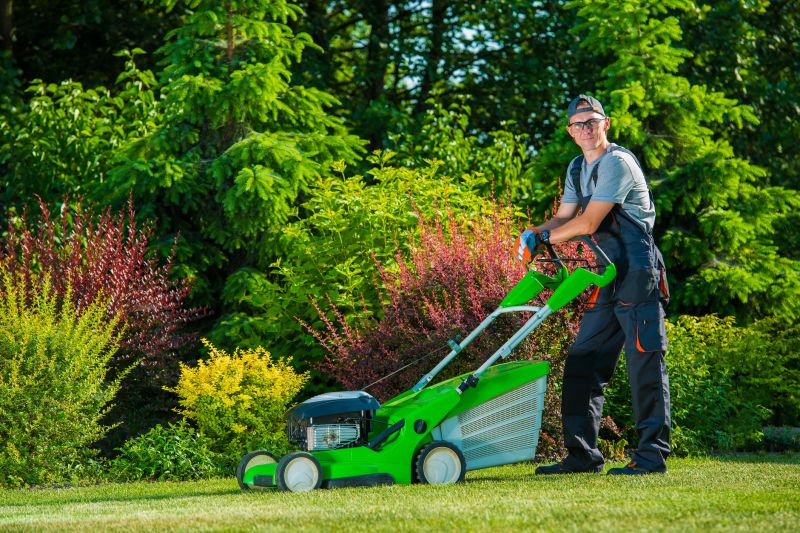
Proper equipment ensures efficient mowing and a clean cut, promoting healthy grass growth.
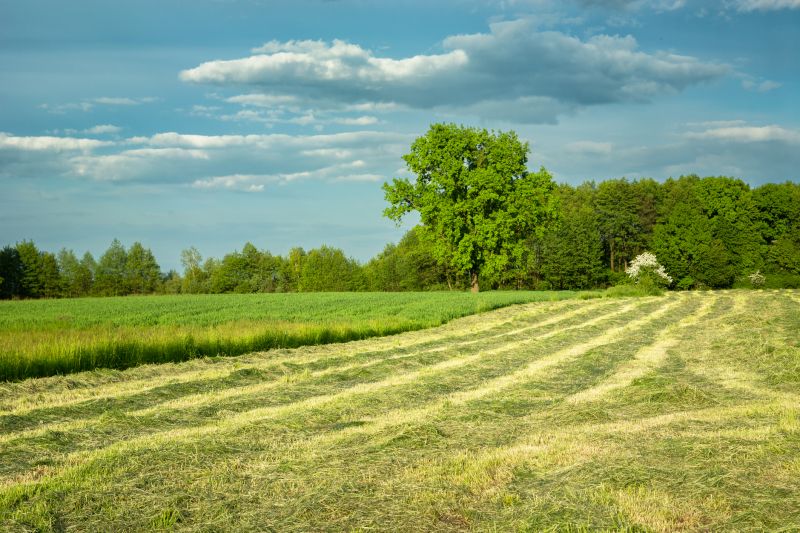
Freshly mowed spring grass with vibrant green color.
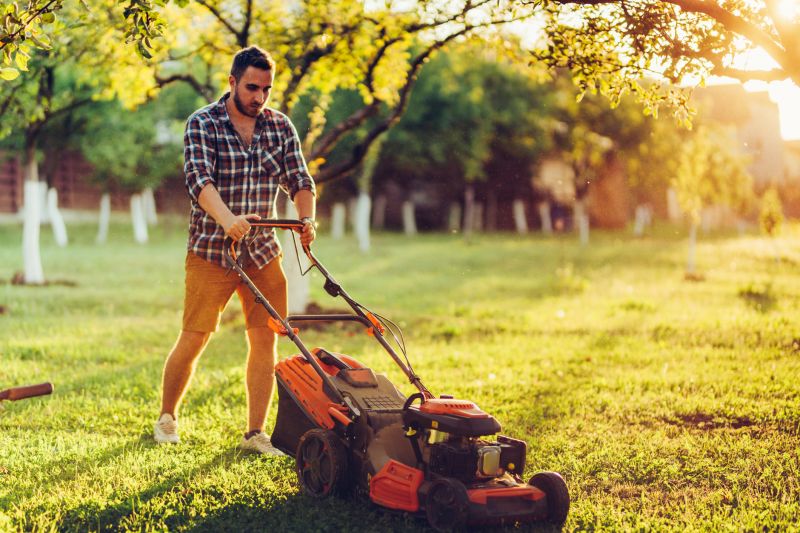
Lawn mower trimming a lush summer lawn.
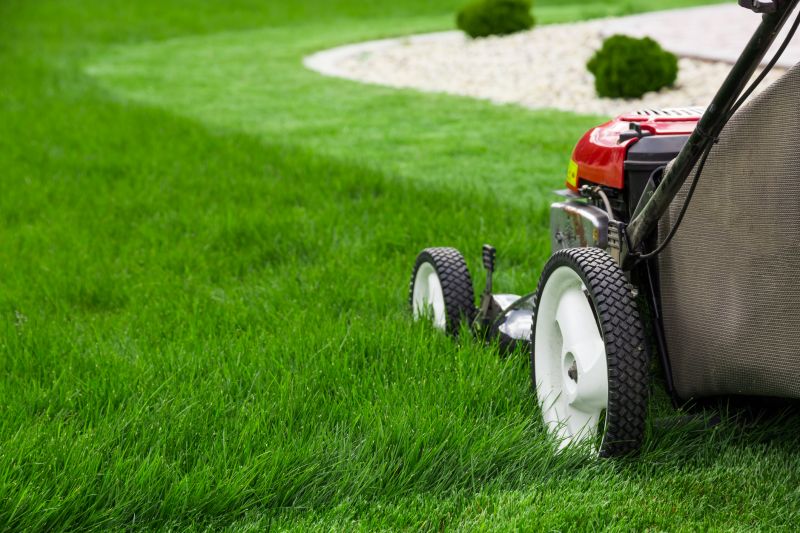
Ways to make Lawn Mowings work in tight or awkward layouts.
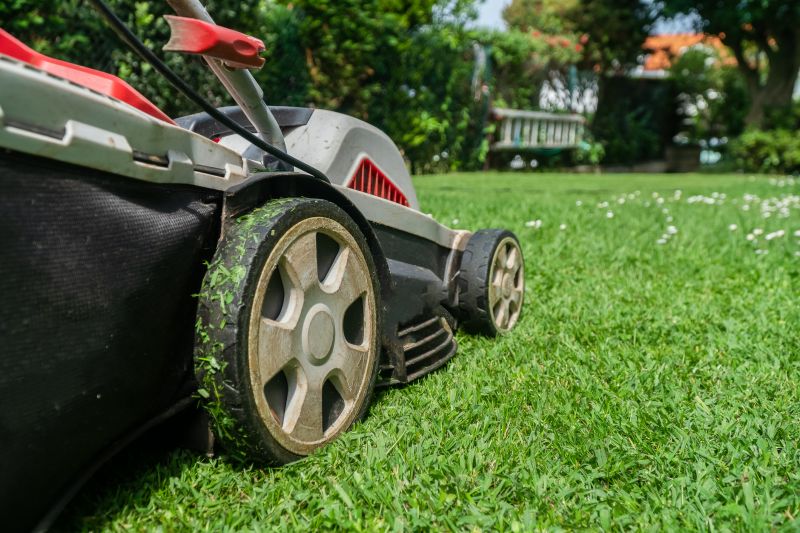
Popular materials for Lawn Mowings and why they hold up over time.
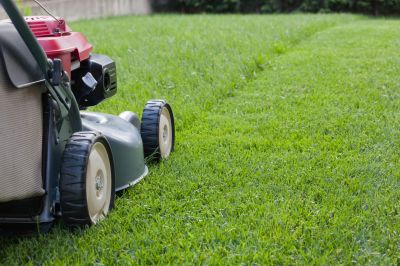
Simple add-ons that improve Lawn Mowings without blowing the budget.
| Season | Recommended Mowing Frequency |
|---|---|
| Spring | Once a week or as needed |
| Summer | Once a week or more |
| Fall | Every 10-14 days |
| Winter | Not typically needed |
| General Tip | Adjust based on grass growth rate |
In addition to timing, factors such as mower blade sharpness, grass type, and weather conditions impact mowing effectiveness. Mowing during dry weather reduces turf damage and soil compaction. Maintaining a mowing height appropriate for the grass species ensures optimal health and appearance.
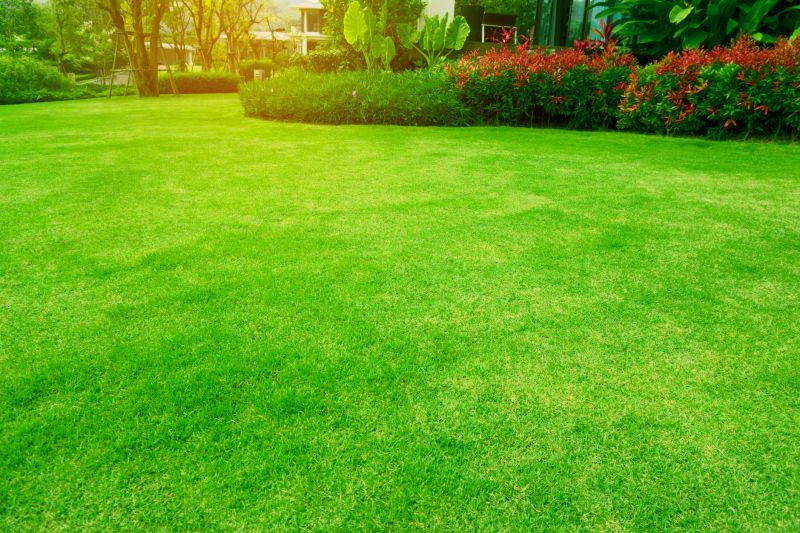
Lush, evenly mowed grass with vibrant color.
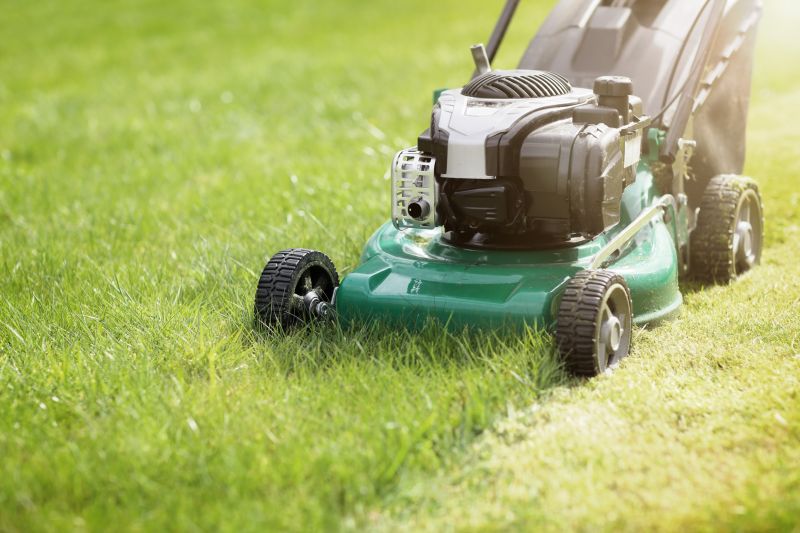
Sharp blades and proper equipment for clean cuts.
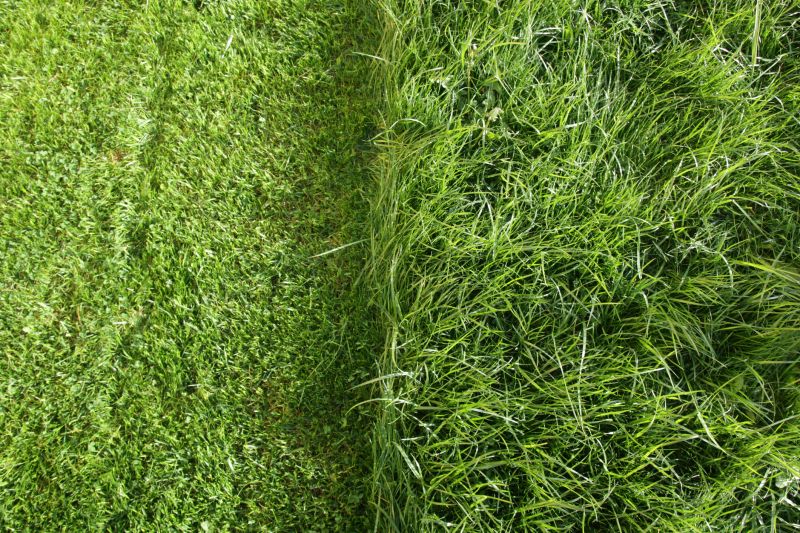
Different grass textures across seasons.
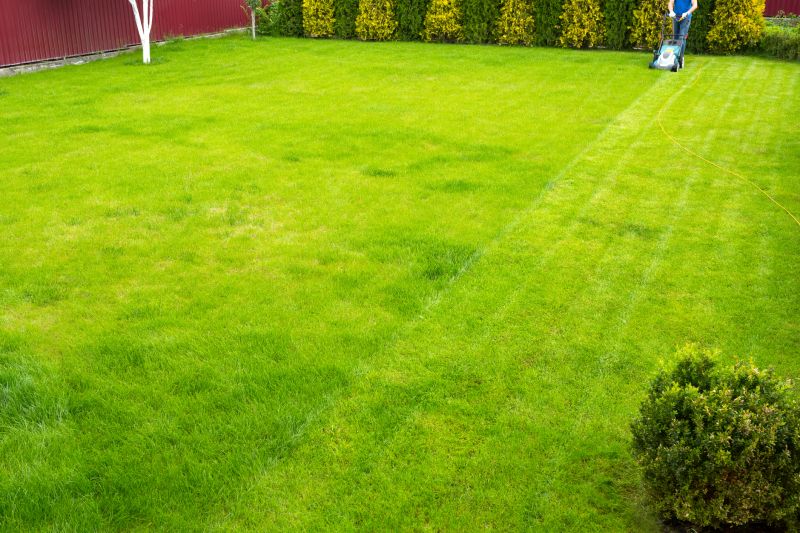
Proper mowing height and frequency improve turf health.
Interested in professional lawn mowing services? Filling out the contact form can provide more information and help schedule regular maintenance to keep the lawn healthy and well-groomed throughout the year.